86-0573-88960598 / Sales & Service Support
Email:fuluo@jxfuluo.com
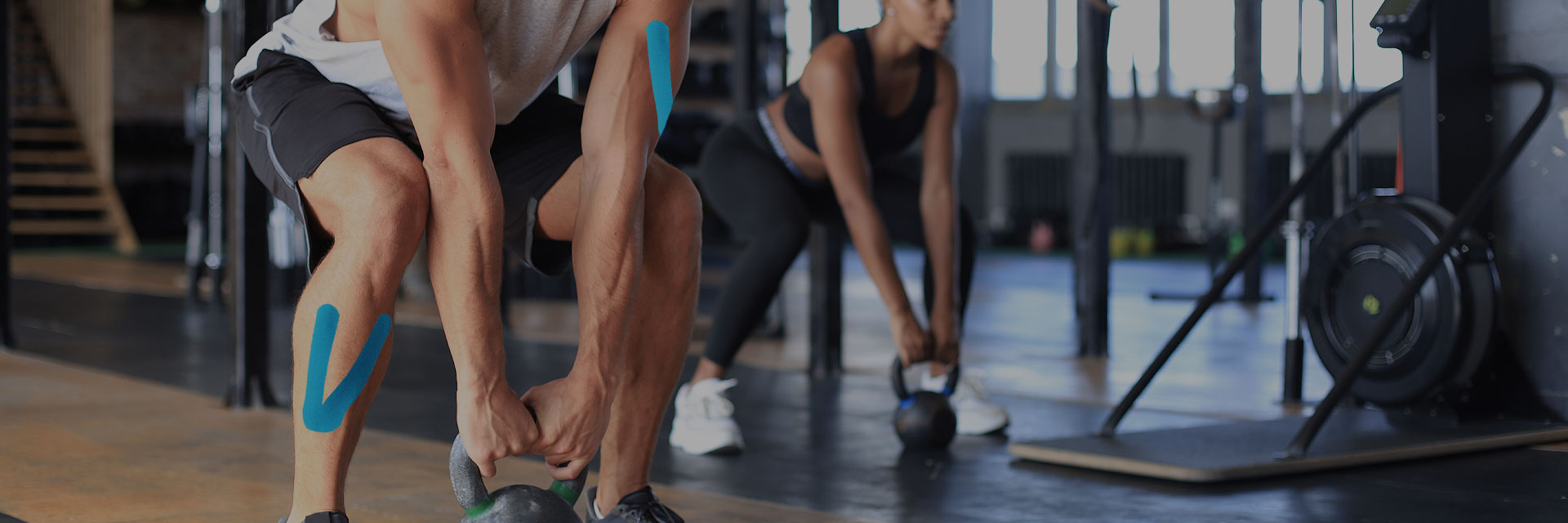
Adhesive performance is rarely an accident. Behind every roll of kinesiology tape, wound dressing, or medical fixation tape is a carefully engineered adhesive system — a formulation tuned for skin compatibility, coat weight precision, peel strength, and long-term stability. This is what the industry means by precision engineered adhesives: adhesive chemistries and coating processes designed and controlled to exact, repeatable technical specifications rather than general-purpose stickiness.
A precision engineered adhesive is a pressure-sensitive or reactive adhesive system whose formulation, coat weight, and cure profile are controlled within tight tolerances so that the finished roll material meets defined mechanical and biological performance targets batch after batch. In medical and sports converting, this precision matters because the adhesive is in direct, prolonged contact with skin, must withstand movement, sweat, and sterilization in some cases, and must release cleanly without residue or trauma on removal.
Three variables define adhesive precision at the manufacturing level:
Most medical and sports roll materials rely on one of four adhesive families. Each offers a different balance of tack, wear time, breathability, and skin sensitivity risk.
| Adhesive Type | Typical Peel Strength | Wear Time | Skin Sensitivity Risk | Common Use |
|---|---|---|---|---|
| Acrylic PSA | 3–6 N/25mm | 3–7 days | Low | Kinesiology tape, film dressings |
| Silicone Adhesive | 1–3 N/25mm | Up to 7 days, repositionable | Very low | Fragile/geriatric skin, scar care |
| Rubber-Based (Natural/Synthetic) | 5–9 N/25mm | 1–3 days | Moderate (latex-free formulations preferred) | Rigid sports tape, zinc oxide tape |
| Hot-Melt PSA | 4–7 N/25mm | 1–5 days | Low–moderate | Fixation tape, high-speed converting |
FULUO's roll materials lineup applies these chemistries across dedicated product lines, including kinesiology tape jumbo rolls built on acrylic systems for extended, skin-friendly wear, and rigid sports tape jumbo rolls built on higher-tack rubber-based systems for joint immobilization.
The coating method determines how precisely and how consistently the adhesive is applied. Manufacturers typically select among four processes depending on the substrate, viscosity of the adhesive, and required coat weight.
| Coating Method | Coat Weight Range | Line Speed | Best Suited For |
|---|---|---|---|
| Direct Roll/Knife-Over-Roll Coating | 20–80 gsm | Medium | Woven and non-woven fabric tapes |
| Gravure Coating | 5–30 gsm | High | Thin film dressings, low coat-weight products |
| Hot-Melt Slot-Die Coating | 15–60 gsm | High | Solvent-free high-volume converting |
| Transfer Coating | 10–50 gsm | Medium–High | Foam substrates, PE foam electrode rolls |
Beyond coating, converting steps — slitting, laminating, and rewinding — determine the finished roll's usability. Precision slitting keeps edge tolerance within fractions of a millimeter to prevent adhesive squeeze-out, while controlled rewind tension prevents telescoping and adhesive transfer between wraps on jumbo rolls such as PU film adhesive rolls and non-woven adhesive rolls.
When evaluating an adhesive-coated roll material, buyers and QA teams typically test against the following parameters. These are the specifications worth requesting in a technical data sheet (TDS) from any supplier.
| Parameter | Test Method | Why It Matters |
|---|---|---|
| 180° Peel Adhesion | ASTM D3330 | Predicts how firmly the tape stays applied during activity |
| Loop Tack | ASTM D6195 | Indicates initial "grab" on contact |
| Shear Holding Power | ASTM D3654 | Resistance to slippage under sustained load |
| Moisture Vapor Transmission Rate (MVTR) | ASTM E96 | Skin breathability; reduces maceration under wound dressings |
| Coat Weight Tolerance | Internal gravimetric QC | Determines lot-to-lot performance consistency |
| Residual Solvent Content | Gas chromatography | Skin safety compliance for direct-contact products |
Adhesive chemistry has to be matched to the backing substrate; a formulation that performs well on woven cotton may not anchor properly to PE film or foam. The table below summarizes common substrate–adhesive pairings used in medical roll material manufacturing.
| Substrate | Recommended Adhesive | Typical Product |
|---|---|---|
| Woven Cotton/Rayon Fabric | Acrylic | Kinesiology tape |
| Non-woven Fabric | Acrylic or hot-melt | Fixation tape, wound dressing borders |
| PU/PE Film | Acrylic (low-tack, breathable) | Transparent film dressing |
| PE Foam | Acrylic transfer adhesive | PE foam electrode rolls |
| Zinc Oxide Cloth | Rubber-based | Rigid sports strapping tape |
Precision engineered adhesives underpin a wide range of finished and semi-finished products across healthcare and sports medicine:
Consistent adhesive performance depends on process discipline as much as formulation. A mature converting operation runs in-line coat weight monitoring, periodic peel/tack sampling, and biocompatibility testing for any product with direct or prolonged skin contact. FULUO Medical operates dedicated quality stations covering microbiological testing, environmental monitoring, and physical/chemical performance testing, supported by system-level certification. Details are published on the Why Choose Us page, including Quality Control and System Certification.
Buyers sourcing adhesive-coated medical roll materials should request, at minimum: a certificate of analysis per lot, biocompatibility documentation (cytotoxicity, skin irritation, sensitization) where the product contacts skin, and a coat-weight tolerance specification in the technical data sheet.
Selecting an adhesive is a trade-off exercise. Use the following questions as a working checklist:
For custom or hybrid requirements, OEM converting partners can formulate coat weight, backing material, and release liner combinations to a target specification. See OEM & Customization for the scope of custom adhesive and converting services available.
What makes an adhesive "medical grade"?
A medical-grade adhesive has documented biocompatibility testing appropriate to its contact duration and skin condition, consistent coat weight control, and manufacturing traceability — not simply a marketing label.
Why do coat weight tolerances matter to buyers?
Coat weight directly drives peel and tack values. A supplier holding tight gsm tolerance will deliver more consistent field performance across production lots than one relying on operator judgment.
Can adhesive formulations be customized for OEM projects?
Yes. Backing material, adhesive chemistry, coat weight, release liner, and roll dimensions can typically be adjusted to a customer specification through an OEM converting partnership.
What is the difference between transfer coating and direct coating?
Direct coating applies adhesive straight onto the final substrate, while transfer coating first casts the adhesive onto a liner, then laminates it onto the substrate — useful for delicate foams that can't be coated directly.


