86-0573-88960598 / Sales & Service Support
Email:fuluo@jxfuluo.com
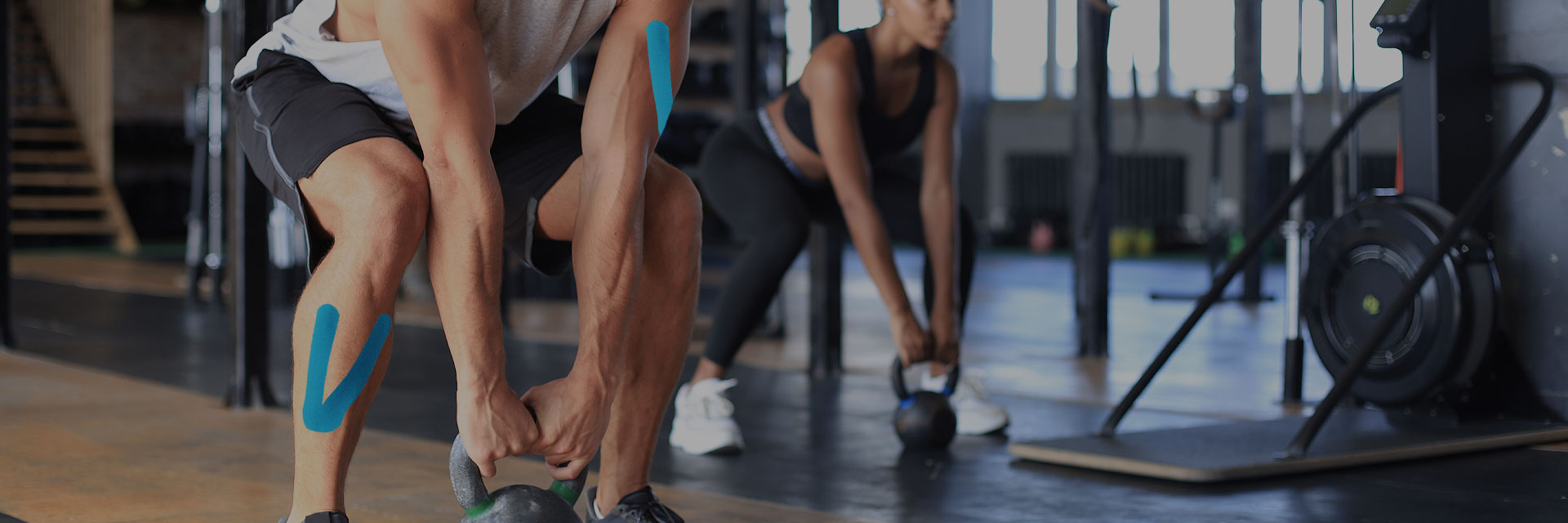
Medical adhesive roll materials form the backbone of modern wound care, sports medicine, surgical fixation, and electrode manufacturing. Unlike finished consumer tapes, these jumbo-roll intermediates are precision-manufactured substrates that downstream converters — hospitals, medical-device brands, and OEM packagers — slit, die-cut, and assemble into final products. This guide explores every layer of the topic: substrate science, adhesive chemistry, converting processes, key performance standards, and how to select the right roll material for a given clinical or industrial application.
A medical adhesive roll material is a laminate structure supplied in large-diameter reels — commonly referred to as jumbo rolls or master rolls — that consists of at least three functional layers:
Manufacturers such as FULUO Medical, founded in 2007 and headquartered in Zhejiang, China, produce these rolls through high-precision coating and laminating lines before supplying them to OEM customers worldwide. With an annual adhesive-coating capacity exceeding 4 million square metres and an annual output valued at approximately US $18 million, FULUO is one of China's largest specialists in this segment.
The choice of substrate determines breathability, elasticity, tensile strength, moisture-vapour transmission rate (MVTR), and patient comfort. The six primary substrate families used in medical roll materials are summarised in the table below.
| Substrate | Typical Thickness (mm) | Elasticity | MVTR (g/m²/24 h) | Primary Applications | Key Product at FULUO |
|---|---|---|---|---|---|
| Cotton / Elastic Knit Fabric | 0.35 – 0.55 | High (≥140 % elongation) | 800 – 2,000 | Kinesiology taping, sports rehabilitation | Kinesiology Tape Jumbo Rolls |
| Cotton / Rigid Woven Fabric | 0.40 – 0.70 | Very low (rigid) | 600 – 1,200 | Joint immobilisation, strapping | Rigid Sports Tape Jumbo Rolls |
| Elastic Adhesive Fabric (EAB) | 0.45 – 0.65 | Moderate – High | 700 – 1,600 | Compression wrapping, lymphatic support | Elastic Adhesive Fabric Rolls |
| Polyurethane (PU) Film | 0.015 – 0.050 | Moderate | 1,500 – 5,000 | Transparent film dressings, IV site fixation | PU Film Adhesive Rolls |
| Polyethylene (PE) Foam | 1.0 – 5.0 | Low – Moderate | 200 – 600 | Biomedical electrodes, cushioning dressings | PE Foam Electrode Rolls |
| Non-woven (PP / Viscose Blend) | 0.08 – 0.25 | Low | 1,000 – 3,000 | Surgical fixation tape, wound island dressings | Non-woven Adhesive Rolls |
The adhesive system is arguably the most critical determinant of clinical performance. Four chemistries dominate the medical sector:
Acrylic PSAs offer outstanding oxidative stability, UV resistance, and hypoallergenic profiles, making them the default choice for long-wear wound dressings and transparent film rolls. Solvent-based acrylics deliver higher initial tack, while water-based (emulsion) acrylics are preferred where residue-free removal and environmental compliance are paramount. Crosslink density is adjusted by catalyst concentration to control shear strength vs. peel-ability — a key converter variable.
Natural rubber adhesives, combined with zinc oxide, are the traditional choice for rigid sports tapes and medical plaster tapes. They provide very high immediate tack and excellent shear resistance under physical load — critical during athletic activity. Synthetic rubber (SBR, SIS) variants offer improved temperature stability but may carry a marginally higher sensitisation risk in latex-reactive individuals.
Medical-grade silicone adhesives are the gentlest option for fragile skin, neonates, and oncology patients. Their ultra-low trauma-on-removal profile results from a viscoelastic architecture that allows shear-mode detachment rather than tensile peeling. Silicone adhesive rolls are increasingly used in advanced wound dressing manufacturing, particularly for foam dressings targeting chronic wounds.
Zinc-oxide adhesive systems combine the natural rubber matrix with micronised ZnO particles that contribute mild antimicrobial activity and enhanced skin breathability. Historically the mainstay of athletic strapping, ZnO rolls continue to be a large-volume segment in sports medicine supply chains worldwide.
| Adhesive Type | Peel Strength (N/25 mm) | Skin Friendliness | Wear Duration | Water Resistance | Cost Index |
|---|---|---|---|---|---|
| Acrylic (solvent) | 2.0 – 5.0 | High | Up to 7 days | Excellent | Medium |
| Acrylic (water-based) | 1.5 – 3.5 | Very High | 1 – 5 days | Good | Medium |
| Natural Rubber / ZnO | 3.5 – 7.0 | Moderate | 0.5 – 2 days | Moderate | Low – Medium |
| Silicone | 0.5 – 2.0 | Excellent | Up to 14 days | Good | High |
| Synthetic Rubber (SIS) | 2.5 – 5.5 | Moderate – High | 1 – 3 days | Moderate | Low – Medium |
Producing a consistent medical adhesive roll requires mastery of several sequential unit operations. FULUO Medical's manufacturing capability encompasses all of these in-house:
Coating is typically performed on comma-bar, slot-die, or gravure coaters operating at web speeds of 30–120 m/min. Coat weight — expressed in g/m² — is the primary variable: low coat weights (20–35 g/m²) suit thin film dressings, whereas higher coat weights (50–80 g/m²) are used for high-tack sports tapes. Inline coat-weight sensors using beta-ray or near-infrared gauges provide real-time feedback, keeping variation within ±1.5 g/m².
Multi-layer constructions — such as the PU film + acrylic adhesive + absorbent pad composites used in wound dressings — require precision nip-roll lamination. Bond strength between layers must meet ISO 11070 peel-resistance criteria without distorting the delicate film substrates.
Master rolls (typically 1,200–1,600 mm wide) are slit to standard narrow widths — 5 cm, 7.5 cm, 10 cm — or to customer-specified dimensions. Razor, crush-cut, and score-cut slitting methods each suit different substrate hardnesses. Finished rolls are rewound to specified lengths (e.g., 31.5 m or 50 m) with controlled web tension to prevent telescoping or adhesive cold-flow.
For finished wound-dressing components or electrode pads, rotary or flat-bed die cutting is used. Die cutting tolerances of ±0.3 mm are standard for medical applications.
| Process | Key Equipment | Critical Quality Parameter | Acceptance Criteria |
|---|---|---|---|
| Adhesive Coating | Comma-bar / Slot-die coater | Coat weight uniformity | Target ± 1.5 g/m² |
| Laminating | Nip-roll laminator | Inter-layer peel strength | ≥ 0.5 N/25 mm (ISO 11070) |
| Slitting | Duplex/razor slitter | Width tolerance | ± 0.5 mm |
| Rewinding | Tension-controlled rewinder | Roll hardness / telescoping | Shore A 60–80; no step > 2 mm |
| Die Cutting | Rotary or flat-bed die cutter | Cut dimensional accuracy | ± 0.3 mm |
Applications for medical adhesive roll materials span every level of healthcare and performance sport:
Elastic cotton kinesiology tape jumbo rolls are the starting material for the pre-cut and uncut kinesiology tapes used worldwide in professional and recreational sports. The tape's wave-patterned acrylic adhesive and high elongation allow it to mimic skin mechanics, providing proprioceptive feedback and reducing muscle fatigue without limiting range of motion. Rigid sports tapes, by contrast, are cut from rigid sports tape jumbo rolls — dense cotton weaves with high ZnO adhesive coat weights — for absolute joint immobilisation in ankle and knee strapping.
Surgical applications rely on non-woven and PU film rolls. Thin PU film rolls (15–30 µm) coated with acrylic adhesive are converted into IV-site dressings, post-operative transparent dressings, and PICC-line fixation patches. Their high MVTR (up to 5,000 g/m²/24 h) prevents maceration while providing a waterproof bacterial barrier — a combination that accelerates epithelialisation compared to traditional gauze.
PE foam electrode rolls serve a niche but technically demanding market: single-use ECG, TENS, and neuromuscular stimulation electrodes. The foam substrate must exhibit consistent electrical impedance (typically < 200 Ω·cm² when wet), dimensional stability, and a conductive hydrogel or gel-adhesive layer that remains in intimate contact with skin under movement.
Personal care applications — eye-patch fixation, blister prevention strips, and first-aid plasters — consume large volumes of non-woven adhesive rolls. These materials prioritise softness (low basis weight, 25–60 g/m²), skin-safe adhesives, and clean removal rather than load-bearing performance.
Medical adhesive roll materials are classified as medical devices or medical device components in most jurisdictions, triggering stringent testing and documentation requirements. FULUO Medical's quality-control system employs more than 10 full-time inspectors covering microbiology, environmental monitoring, and physical/chemical performance testing.
| Standard / Regulation | Issuing Body | Scope |
|---|---|---|
| ISO 10993 series | ISO | Biological evaluation of medical devices (cytotoxicity, sensitisation, irritation) |
| ISO 13485 | ISO | Quality management systems for medical device manufacturers |
| EU MDR 2017/745 | European Commission | CE marking of medical devices sold in the European Union |
| 21 CFR Part 820 / FDA QSR | US FDA | Quality system regulation for US-marketed medical devices |
| EN 13726 series | CEN | Test methods for primary wound dressings (MVTR, fluid handling) |
| ASTM D1000 | ASTM International | Test methods for pressure-sensitive adhesive tapes |
| YY/T 0471 series | NMPA (China) | Contact layer test methods — Chinese national medical device standards |
Key insight: For OEM buyers sourcing jumbo rolls for conversion into finished medical devices, confirming that your supplier holds ISO 13485 certification and that individual roll materials are supported by ISO 10993 biocompatibility data is a non-negotiable due-diligence step. FULUO Medical provides system certification documentation as part of its customer qualification process — contact their sales team for test reports and certificates.
Selecting the right roll material for a converting project requires a structured specification document. At minimum, purchasers should define the following parameters:
| Parameter | Typical Range / Options | Impact |
|---|---|---|
| Substrate type | Cotton knit, non-woven, PU film, PE foam, EAB | Determines end-use suitability, breathability, drape |
| Master roll width | 600 – 1,600 mm | Affects slitting yield and freight cost |
| Roll diameter | 200 – 800 mm (OD) | Must match converting equipment core adapters |
| Core ID | 76 mm (3 in), 152 mm (6 in) | Compatibility with slitter/rewinder mandrels |
| Adhesive type & coat weight | Acrylic / rubber / silicone; 20–80 g/m² | Determines adhesion, skin compatibility, wear time |
| Release liner | Siliconised paper, PET, PE film; single or double-sided | Must release cleanly without adhesive transfer |
| Colour / print | Beige, black, blue, custom; wave pattern, plain | Branding, clinical differentiation |
| Sterility requirement | Non-sterile roll (sterilised post-conversion by converter) or EO-sterile | Determines packaging and supply-chain handling |
FULUO Medical offers full customisation services for all roll parameters, including custom colours, wave-pattern adhesive printing for kinesiology rolls, and private-label packaging for finished products derived from the rolls.
Several converging trends are reshaping demand for medical adhesive roll materials:
As wound management and rehabilitation shift from hospital to home settings, single-use, easy-apply roll-derived dressings and tapes must balance clinical efficacy with consumer usability. This is accelerating demand for softer, lower-tack, non-woven-based roll materials with clear application instructions.
Global participation in amateur and professional sports continues to grow, driving volume demand for sports tape intermediates. FULUO holds approximately 30 % of the Japanese market for kinesiology tape materials — a testament to the quality requirements that elite athletic markets impose.
Converters and brand owners are seeking bio-based or recycled substrates with reduced solvent usage in adhesive coating. Water-based acrylic systems and solvent-free hotmelt adhesive lines are gaining ground, and some manufacturers are trialling compostable PLA liners to reduce single-use plastic waste.
Emerging roll constructions incorporate conductive inks, pH-sensitive hydrogels, and RFID tags laminated between substrate layers, enabling wirelessly monitored wound dressings. While still nascent, this segment represents a significant near-term opportunity for roll-material innovators.
Jiaxing Fuluo Medical Supplies Co., Ltd (FULUO Medical) was established in 2007 in Jiaxing, Zhejiang Province, China. The company occupies a 20,000 m² factory and employs 160 people, producing medical adhesive materials, sports and medical tapes, and wound care products for healthcare and sports-medicine applications globally. FULUO is one of China's earliest manufacturers of kinesiology tape and claims an annual adhesive-coating output of 4 million m².
Key product categories available as roll materials include:
To request technical data sheets, samples, or OEM pricing, visit the FULUO contact page or email fuluo@jxfuluo.com.
Medical adhesive roll materials represent a highly engineered yet often overlooked tier of the medical device supply chain. Choosing the right combination of substrate, adhesive chemistry, coat weight, and liner is a multi-variable engineering problem with direct clinical consequences — from patient skin integrity to electrode signal fidelity. Working with an experienced, ISO 13485-certified manufacturer such as FULUO Medical ensures access to both the technical expertise and the quality infrastructure necessary to bring compliant, high-performance roll-derived products to market.


