86-0573-88960598 / Sales & Service Support
Email:fuluo@jxfuluo.com
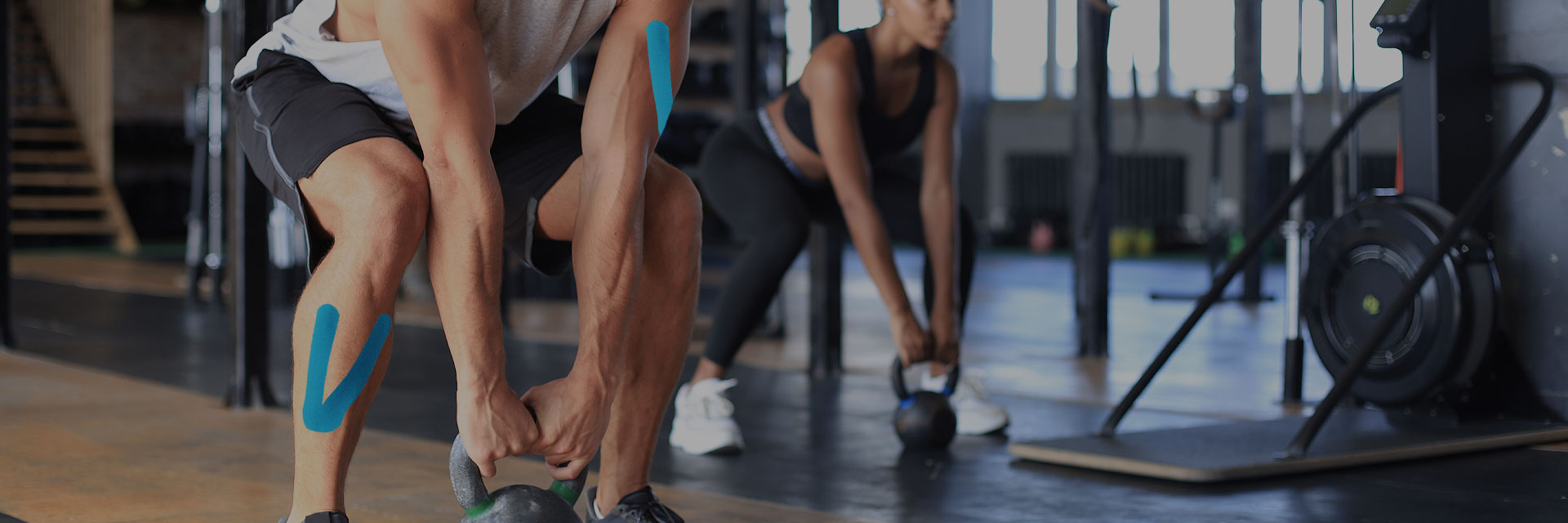
As demand for performance-grade therapeutic taping solutions continues to rise across sports medicine, rehabilitation, and personal care markets, Ventilate Kinesiology Tape has emerged as a technically advanced option that addresses one of the most persistent complaints about traditional taping: poor breathability. This article explores the construction, clinical applications, specifications, and competitive advantages of ventilate kinesiology tape — with insights drawn directly from Jiaxing Fuluo Medical Supplies Co., Ltd, a leading factory-direct manufacturer based in Jiaxing, China.
Ventilate Kinesiology Tape is a specialized elastic therapeutic tape engineered to replicate the natural elasticity of human skin — approximately 130–140% longitudinal stretch — while incorporating an open-weave or perforated fabric structure that promotes continuous airflow between the tape surface and the skin.
Unlike standard cotton-blend kinesiology tapes, ventilate variants use a breathable, moisture-wicking textile that allows perspiration to evaporate quickly. When pressed against the body, the tape creates a gentle lifting effect on the skin, generating a microscopic decompression space between the epidermis and the underlying tissue. This space is theorized to improve local circulation, reduce pressure on pain receptors, and facilitate lymphatic drainage.
For those comparing product lines, Fuluo's full kinesiology tape range also includes Waterproof Kinesiology Tape, Pre-Cut Kinesiology Tape, and Uncut Kinesiology Tape — each optimized for different clinical and sporting environments.
The performance of any kinesiology tape begins at the material level. Ventilate Kinesiology Tape from Fuluo is constructed through a multi-layer lamination process:
The adhesive pattern is not simply decorative — it is a functional design element. The wave or fingerprint pattern reduces full-surface adhesion, which is what separates ventilate tape from standard plaster-style medical tapes. Fuluo also offers semi-finished kinesiology tape rolls for brands that require custom lamination or private-label configurations.
Understanding the available sizes and packaging formats is essential for procurement teams, distributors, and clinic buyers. The table below outlines Fuluo's standard Ventilate Kinesiology Tape configurations. Note that custom specification and packaging are available on request via the customization program.
| Size | Rolls per Box | Boxes per Carton | Typical Use Case |
|---|---|---|---|
| 2.5 cm × 5 m | 12 rolls | 20 boxes | Fingers, toes, small joint support |
| 3.75 cm × 5 m | 8 rolls | 20 boxes | Wrist, ankle stabilization |
| 5 cm × 5 m | 6 rolls | 20 boxes | General muscle & joint applications |
| 7.5 cm × 5 m | 4 rolls | 20 boxes | Shoulder, thigh, back support |
| 10 cm × 5 m | 2 rolls | 30 boxes | Large muscle groups, broad coverage |
| 5 cm × 30 m | 1 roll | 20 boxes | Clinic bulk use, cutting to custom lengths |
The 5 cm × 30 m bulk roll is particularly favored by sports medicine clinics and physiotherapy practices that apply tape daily across a variety of patients, as it offers significant cost-per-meter savings compared to pre-cut formats.
The enhanced breathability of Ventilate Kinesiology Tape expands its utility across a wide spectrum of use cases. Below is a structured overview of the primary application domains:
Athletes in endurance sports — running, cycling, triathlon — generate high volumes of sweat over prolonged periods. Traditional tapes can trap moisture, leading to skin maceration, blistering, or premature adhesive failure. Ventilate tape's rapid-drying construction maintains adhesion integrity even through multiple hours of intense activity, making it suitable for use in sports applications ranging from pre-competition muscle activation taping to post-event recovery support.
In clinical rehabilitation settings, ventilate tape is used to manage pain from muscle strains, ligament sprains, patellofemoral syndrome, and chronic joint conditions. The tape's lifting mechanism decompresses superficial pain receptors, which may reduce the perception of discomfort during movement. It is also applied post-surgically around incision sites to assist with swelling management and facilitate a more comfortable recovery — a key area in post-surgical care protocols.
Applied in fan-cut, Y-strip, or I-strip configurations along the paraspinal muscles or scapular stabilizers, ventilate kinesiology tape provides proprioceptive feedback that can help correct postural imbalances. Unlike rigid bracing, the tape allows full range of motion while providing continuous sensory cuing.
Fan-cut applications over the lymphatic pathways are used to assist manual lymphatic drainage, making ventilate tape a common adjunct in medical lymphedema management programs. The breathable construction is especially important here, as lymphedema patients often have compromised skin integrity requiring gentler, more skin-friendly materials.
For patients with eczema, psoriasis, or post-surgical scarring, the reduced occlusion of ventilate tape minimizes moisture entrapment, which can exacerbate inflammatory skin conditions. This makes it more suitable than standard plaster tapes for personal care applications requiring prolonged skin contact.
| Feature | Standard Kinesiology Tape | Ventilate Kinesiology Tape |
|---|---|---|
| Fabric structure | Dense cotton weave | Open-weave / mesh / perforated |
| Airflow & breathability | Moderate | High |
| Moisture evaporation rate | Slow | Fast |
| Wear duration | 2–3 days typical | 3–5 days typical |
| Skin irritation risk | Moderate (sweat build-up) | Low (reduced occlusion) |
| Suitability for sensitive skin | Limited | High |
| Hot / humid climate performance | Reduced | Maintained |
| Weight | Heavier | Lighter |
Correct application technique is critical to achieving the therapeutic benefits of Ventilate Kinesiology Tape. Follow these steps for best results:
Jiaxing Fuluo Medical Supplies Co., Ltd is a professional manufacturer and exporter of medical-grade taping and wound care products headquartered in Jiaxing, Zhejiang Province, China. The company operates a certified manufacturing facility with robust quality control systems and holds multiple international system certifications that ensure products meet global regulatory requirements.
Fuluo's product portfolio spans kinesiology tapes, medical plaster tapes, wound dressings, and semi-finished materials for OEM and private-label partners. The company's manufacturing capability supports large-volume global orders with consistent quality, and its customization service allows clients to specify size, color, print, packaging, and adhesive profile to match brand requirements.
Related products worth exploring alongside Ventilate Kinesiology Tape include the Elastic Adhesive Bandage, the Zinc Oxide Sports Tape, and the Waterproof Kinesiology Tape — each addressing distinct taping needs in sports medicine and rehabilitation.
Fuluo's Ventilate Kinesiology Tape is formulated for 3–5 days of continuous wear under normal conditions, including during exercise and showering. Longevity depends on skin preparation, application technique, and environmental conditions.
Yes. The adhesive used is a hypoallergenic, latex-free acrylic formula. The open-weave construction further reduces the risk of contact dermatitis by minimizing moisture entrapment. Individuals with known adhesive sensitivities should consult a healthcare professional before extended use.
The tape is designed to withstand exposure to water during showering or swimming. Pat (do not rub) the tape dry after water exposure and allow it to air-dry fully before resuming activity to maintain optimal adhesion.
Nylon kinesiology tape — another popular format in Fuluo's range — offers a smooth, synthetic feel with slightly different stretch characteristics suited to specific application techniques. Ventilate tape's distinguishing feature is its breathable open-fabric construction, which prioritizes moisture management and skin health during long-duration wear.
Ventilate Kinesiology Tape represents a meaningful evolution in therapeutic taping technology. By combining the established biomechanical benefits of kinesiology taping — proprioceptive feedback, lymphatic support, muscle facilitation or inhibition — with advanced breathable fabric engineering, it delivers a product that performs under demanding athletic conditions while remaining suitable for patients with sensitive skin or prolonged clinical wear requirements.
For procurement inquiries, custom specifications, or technical consultations, reach out to the Fuluo team directly.


